We are Open Saturdays!


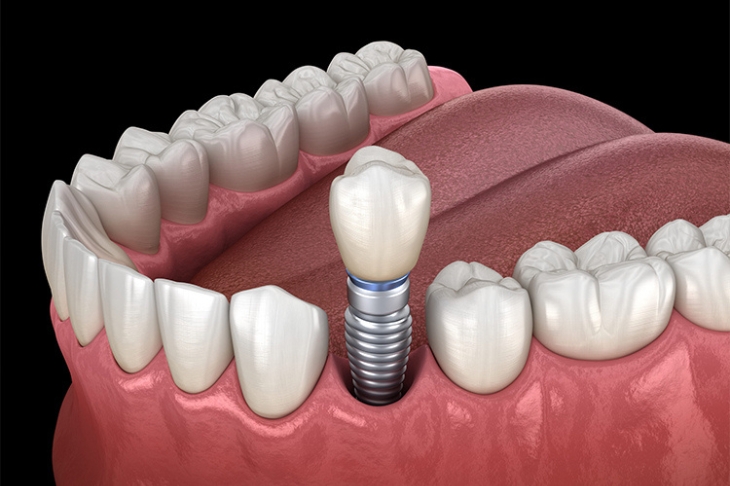
You spent money on your smile. You’d now like that implant to last—comfortably, reliably, in the long term. The best news: with diligent home care and periodic professional check-ups, dental implants in Katy have tremendous long-term success (most studies reported show 90%+ survival at 10 years if patients follow a good oral hygiene routine and do not skip routine checkups). You can also be a part of this group by simply following the tips mentioned below:
Gentle Brushing
Clean twice a day with a soft, manual, or electric toothbrush. Align the bristles against the gumline adjacent to the crown and abutment. Use a low‑abrasive fluoride toothpaste to avoid scratching the implant crown surface.
Interdental Cleaning—Every Day
Dental floss, implant-safe floss, or a water flosser removes biofilm your brush misses. Interdental brushes are also fine to use on dental implants. Use nylon‑coated wires so the implant titanium doesn’t get scratched. Gently, but thoroughly, try to clean the sides of the implant post (where plaque tends to accumulate).
Thorough Rinsing
An alcohol‑free antimicrobial mouthwash can reduce the number of bacteria close to peri‑implant tissues. Your Katy dentist can tell you what formula is best for your mouth.
Professional Oral Care
Schedule regular exams and cleanings—every six months, more often if you’ve had gum disease in the past. Your hygienist will probe with implant-safe instruments, record probing depths, and check for initial signs of peri‑implant mucositis (inflammation) before it progresses to peri‑implantitis (bone loss). Catching it early prevents hassle.
Skip Lifestyle Habits that Might Cut Short the Longevity of Implants
- Quit smoking (or get help in reducing it). Tobacco puts you at risk of developing peri‑implantitis.
- Manage grinding/clenching. A nightguard distributes extreme occlusal forces that are capable of stressing the implant and supporting bone.
- Avoid hard bites. Ice, pen caps, and hard candy have the potential to chomp porcelain or overload the implant-abutment joint.
- Manage dry mouth. Help adequate production of saliva throughout the day by drinking 12 to 16 cups of water daily. The right amount of saliva keeps your oral tissues healthy. If your meds cause you dry mouth, talk to your doctor or dentist.
Red flags—Call Immediately if You Notice Them
Gum bleeding, jaw swelling, bad taste in the mouth, loose implant, or pain while chewing food are not “normal.” You should consult a dentist as soon as possible to solve the issue following a non-surgical therapy.
Why A Tailored Dental Care Plan is Necessary
Your medical history, bite forces, gum health, and home routine all shape your oral care plan. During your routine dental visits, we’ll tailor oral tools (floss threaders, water flossers, interdental brushes) as per your dental condition. While the dental implant treatment might seem overwhelming to many, the right guidance from a reliable dental team in Katy can make the implant care stress-free.