We are Open Saturdays!

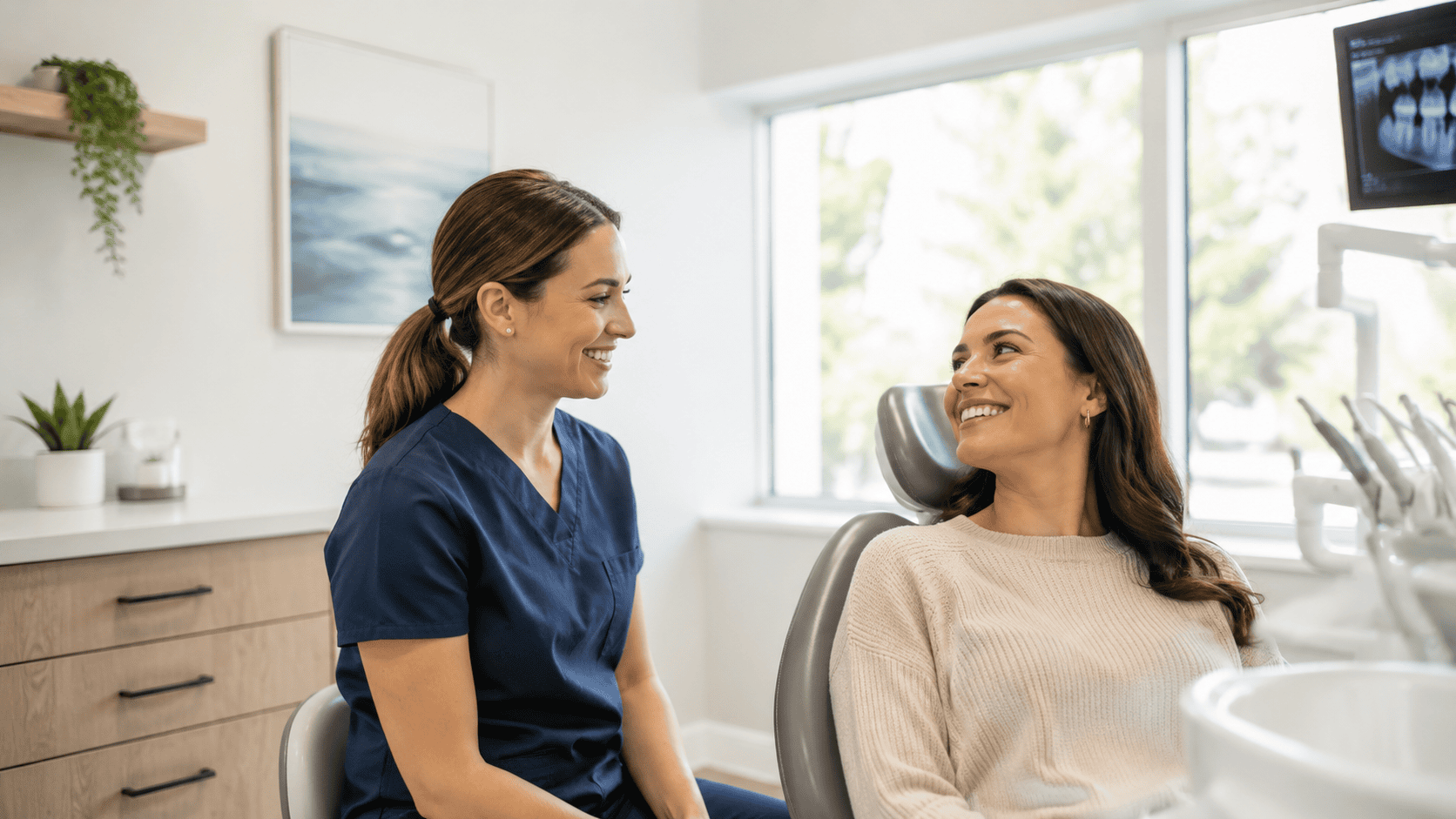
A straighter smile can make everyday moments feel easier, from laughing in photos to speaking with confidence at work or school. For many patients, though, the idea of traditional metal braces feels intimidating. That is one reason Invisalign treatment has become such a popular option for teens and adults who want a more discreet, flexible way to improve tooth alignment.
For patients searching for Invisalign treatment Katy TX, understanding how clear aligners work can make the decision feel much less overwhelming. Invisalign uses a series of custom-made, removable trays that gradually guide teeth into better positions. The aligners are clear, smooth, and designed to fit into daily life with fewer food restrictions and easier brushing than traditional braces.
Lifetime Dental & Implant Center helps patients explore modern options for healthier, more confident smiles. While Invisalign can be an excellent choice for many people, every smile is different. A dental consultation is the best way to determine whether clear aligners are appropriate for a patient’s needs, goals, and oral health.
This article is for educational purposes only and does not replace personalized dental advice. Patients with questions about orthodontic treatment, bite concerns, discomfort, cost, or treatment timing should consult a licensed dental professional.
What Is Invisalign Treatment?
Invisalign is an orthodontic treatment system that uses clear plastic aligners instead of brackets and wires. Each aligner is shaped slightly differently, applying gentle pressure to move teeth step by step. Patients typically wear each set of aligners for a specific amount of time before switching to the next set in the series.
The aligners are custom-made based on a patient’s teeth and treatment plan. Because they are removable, patients can take them out for eating, drinking most beverages, brushing, and flossing. This convenience is one of the biggest reasons many people ask about Invisalign when considering orthodontic care.
Although Invisalign is often associated with cosmetic improvements, straighter teeth can also support better oral health. Teeth that are crowded, spaced, or difficult to clean may trap more plaque and food particles. Improving alignment can make home care easier and may help support healthier gums and teeth over time.
How Invisalign Works Step by Step
Invisalign treatment is carefully planned before the first aligner is made. The process is designed to be organized, predictable, and easy for patients to follow.
1. The Initial Consultation
The first step is an evaluation with a dental provider. During this visit, the dentist looks at the teeth, gums, bite, and overall oral health. The patient can also talk about concerns, such as crowding, gaps, shifting teeth, or a bite that does not feel balanced.
This visit is also a good time to ask practical questions. Patients often want to know how long treatment may take, how visible the aligners are, and whether Invisalign will fit their lifestyle. The dentist can explain what is realistic based on the patient’s specific smile.
2. Digital Planning and Custom Aligners
If Invisalign appears to be a good option, the dental team may take digital scans or impressions. These records help create a customized treatment plan. Advanced planning tools can show how teeth are expected to move throughout treatment.
Once the plan is finalized, a series of clear aligners is created. Each aligner is designed to move the teeth in small, controlled increments. The fit should feel snug at first, which is a normal sign that the aligner is doing its job.
3. Wearing the Aligners
For best results, patients usually need to wear Invisalign aligners for most of the day and night, removing them only as directed. Consistency matters. If aligners are left out too often, treatment may take longer or teeth may not move as planned.
Patients change to new aligners according to the schedule provided by the dentist. Some soreness or pressure may happen when starting a new set, but this usually fades as the teeth adjust. Any sharp pain, fit concerns, or ongoing discomfort should be discussed with the dental team.
4. Progress Checks
Follow-up visits help the dentist monitor progress and make sure teeth are tracking properly. These appointments are usually more streamlined than traditional braces adjustments because there are no wires to tighten.
The dental team may answer questions, check the aligner fit, and provide the next sets of trays. If refinements are needed, the dentist can recommend adjustments to keep treatment moving in the right direction.
5. Retainers After Treatment
After Invisalign treatment is complete, retainers are typically needed to help maintain the new tooth positions. Teeth naturally have a tendency to shift over time, so retainers play an important role in protecting the results.
The dentist will explain how often retainers should be worn. Some patients may start with more frequent wear and later move to nighttime use. Following retainer instructions helps preserve the time and effort invested in treatment.
What Dental Concerns Can Invisalign Help Address?
Invisalign may help with several common alignment issues, depending on their severity and the patient’s oral health. These may include:
- Crowded teeth
- Gaps or spacing between teeth
- Mild to moderate overbite
- Mild to moderate underbite
- Crossbite concerns
- Open bite concerns
- Teeth that have shifted after past orthodontic treatment
Not every case is ideal for clear aligners. Some complex bite problems or significant tooth movements may require other orthodontic options. A dentist can evaluate whether Invisalign is appropriate or whether another treatment would be safer and more effective.
Why Patients Like Invisalign
Many patients choose Invisalign because it offers a blend of comfort, appearance, and convenience. While treatment still requires commitment, the day-to-day experience can feel more manageable for busy adults, parents, professionals, and teens.
Clear, Discreet Appearance
Invisalign aligners are made from clear material, so they are much less noticeable than metal braces. This can be especially appealing for patients who speak with customers, attend school events, take frequent photos, or simply prefer a low-profile treatment.
Removable for Meals
Because the aligners come out for eating, patients do not have the same food restrictions associated with braces. Crunchy apples, popcorn, and chewy foods may be easier to enjoy without worrying about damaging brackets or wires.
Patients should still brush before placing aligners back in the mouth whenever possible. This helps reduce the chance of trapping food particles or sugars against the teeth.
Easier Brushing and Flossing
With traditional braces, cleaning around brackets and wires can take extra effort. Invisalign allows patients to brush and floss normally after removing the trays. This can make it easier to maintain healthy teeth and gums throughout treatment.
Smooth and Comfortable Design
Invisalign aligners are smooth and custom-fitted. They do not have metal brackets that can rub against the cheeks or lips. Some pressure is expected as teeth move, but many patients find clear aligners comfortable and easy to adapt to.
Who May Be a Good Candidate for Invisalign?
A good candidate for Invisalign is usually someone with healthy teeth and gums, mild to moderate alignment concerns, and a willingness to wear aligners as instructed. Since the trays are removable, patient responsibility is very important.
Invisalign may be a good fit for patients who:
- Want a discreet alternative to braces
- Can commit to wearing aligners consistently
- Have good brushing and flossing habits
- Do not want major diet restrictions during orthodontic treatment
- Have had teeth shift after previous braces
- Prefer fewer visible changes to their appearance during treatment
Before beginning Invisalign, the dentist may need to address cavities, gum inflammation, or other oral health concerns. Starting orthodontic treatment on a healthy foundation helps reduce complications and supports better long-term results.
How Long Does Invisalign Treatment Take?
Treatment time varies from patient to patient. Some minor alignment cases may take only several months, while more involved cases may take a year or longer. The total timeline depends on the complexity of tooth movement, how well the aligners fit, and how consistently the patient wears them.
Patients should avoid comparing their timeline to a friend’s or family member’s experience. Even smiles that look similar can have different bite relationships and movement needs. The most accurate estimate comes from a personalized consultation and treatment plan.
Does Invisalign Hurt?
Invisalign should not be painful in the way many people fear, but some pressure or tenderness is normal. This usually happens when switching to a new set of aligners because the teeth are beginning the next stage of movement.
Discomfort is typically temporary and often feels like tightness rather than sharp pain. If an aligner causes cuts, does not seat properly, or creates lasting discomfort, patients should contact their dental office for guidance. Small adjustments or additional instructions may help.
Eating, Drinking, and Daily Care with Invisalign
Living with Invisalign is usually straightforward, but a few habits help keep treatment on track.
Remove Aligners Before Eating
Patients should remove aligners before meals or snacks. Eating with aligners in place can damage or stain them. It can also trap food between the tray and teeth.
Be Careful with Drinks
Water is generally the best drink while wearing aligners. Coffee, tea, soda, wine, and sports drinks can stain trays or expose teeth to sugar and acid if trapped under the aligner. Patients who drink anything other than water should remove the aligners and clean their teeth before putting them back in when possible.
Clean Aligners Daily
Aligners should be cleaned regularly according to the dental team’s instructions. Gentle brushing and proper rinsing can help keep trays fresh and clear. Hot water should be avoided because it may warp the plastic.
Store Aligners in Their Case
When aligners are not in the mouth, they should go into their case. Wrapping them in a napkin or leaving them on a table makes them easy to lose or throw away accidentally. This simple habit can prevent treatment delays.
Invisalign vs. Braces: Which Is Better?
Neither Invisalign nor braces are automatically better for every patient. The right choice depends on the patient’s teeth, bite, lifestyle, and treatment goals.
Invisalign may be preferred by patients who want a discreet and removable option. Braces may be recommended for more complex cases, patients who may struggle with wearing aligners consistently, or situations where fixed appliances provide better control.
A dental professional can explain the advantages and limitations of each option. The goal is not just a straighter-looking smile, but a healthy bite and stable outcome.
How Much Does Invisalign Cost?
The cost of Invisalign treatment can vary based on case complexity, treatment length, provider recommendations, and whether refinements or retainers are included. Dental insurance may cover a portion of orthodontic treatment in some plans, but benefits vary widely.
Patients interested in Invisalign treatment in Katy, TX should ask for a personalized estimate during the consultation. The dental team can review fees, payment options, insurance questions, and what is included in the treatment plan. This helps patients make an informed decision without surprises.
Tips for Getting the Best Invisalign Experience
Patients can help their Invisalign treatment go smoothly by building a few simple routines:
- Wear aligners exactly as instructed by the dentist.
- Keep the aligner case nearby at meals and snacks.
- Brush and floss consistently to protect oral health.
- Clean aligners daily to reduce odor and staining.
- Attend scheduled progress visits.
- Call the dental office if an aligner is lost, cracked, or not fitting well.
- Wear retainers as directed after treatment is complete.
These habits may seem small, but they can make a meaningful difference in comfort, progress, and long-term satisfaction.
Why Choose a Local Dental Team for Invisalign in Katy, TX?
Choosing a local dental provider for Invisalign can make treatment more convenient and personal. Patients often appreciate having a nearby office for consultations, progress checks, questions, and support if an aligner issue comes up.
Lifetime Dental & Implant Center focuses on helping patients feel informed and comfortable throughout their care. A friendly dental team can explain each step, answer questions in plain language, and recommend treatment options that fit the patient’s oral health needs.
For someone considering Invisalign, the first visit is not a commitment to treatment. It is an opportunity to learn what is possible, understand the options, and decide whether clear aligners feel like the right next step.
Frequently Asked Questions About Invisalign Treatment
Is Invisalign really invisible?
Invisalign aligners are very discreet, but they are not completely invisible. Most people find them far less noticeable than metal braces. Their appearance can also depend on how clean the aligners are and how closely someone is looking.
How many hours a day should Invisalign be worn?
Patients are typically instructed to wear aligners for most of the day and night, removing them only for meals, drinks other than water, and oral hygiene. The exact wear time should follow the dentist’s instructions.
Can patients eat with Invisalign?
No, patients should remove Invisalign aligners before eating. Eating with aligners can damage, stain, or distort them. After meals, brushing before reinserting the trays is ideal.
Will Invisalign affect speech?
Some patients notice a slight lisp when they first start wearing aligners. This usually improves as the tongue adapts. Speaking out loud and wearing the trays consistently can help the adjustment happen faster.
What happens if an aligner is lost?
If an aligner is lost, the patient should contact the dental office for instructions. The dentist may recommend wearing the previous aligner, moving to the next one, or ordering a replacement, depending on the situation.
Can teens use Invisalign?
Many teens may be candidates for Invisalign, depending on their dental development, alignment needs, and ability to wear the trays responsibly. A dental evaluation can determine whether clear aligners are a good fit.
Are retainers necessary after Invisalign?
Yes, retainers are commonly recommended after Invisalign to help maintain the new tooth positions. Without retainers, teeth can gradually shift back over time.
A Straighter Smile Can Start with a Simple Conversation
Invisalign treatment offers many patients a comfortable, discreet, and convenient path toward a straighter smile. With clear removable aligners, everyday routines like eating, brushing, and smiling for photos can feel more natural throughout treatment.
For patients searching for Invisalign treatment in Katy, TX, Lifetime Dental & Implant Center can help explain the options and determine whether clear aligners are a good match. A consultation gives patients the chance to ask questions, understand their smile goals, and take the next step with confidence.
Anyone curious about Invisalign is encouraged to schedule a visit with a trusted dental professional and learn what is possible for their smile.