We are Open Saturdays!

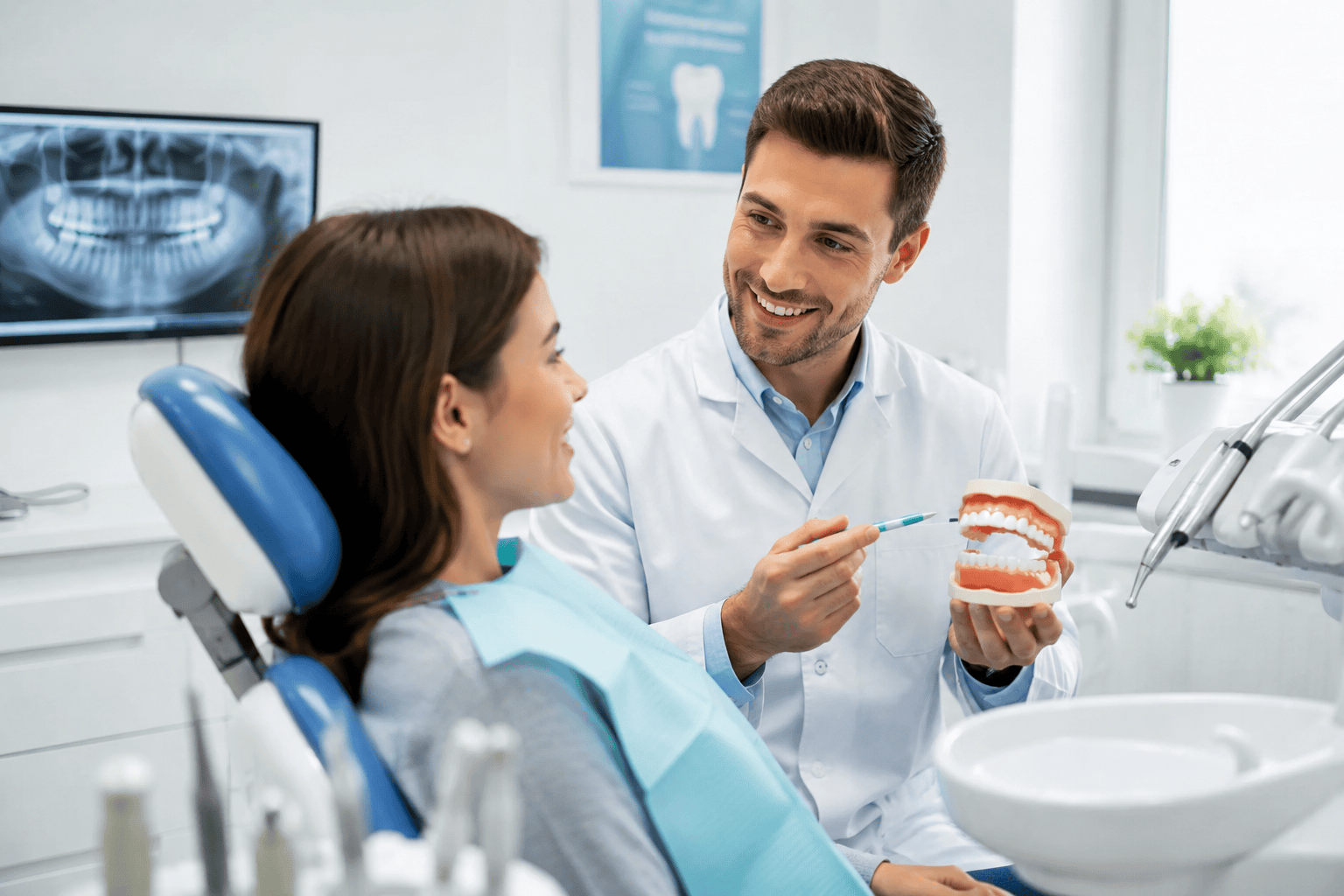
You can find affordable, quality dental care in Katy, TX without sacrificing comfort or modern treatment options. Local clinics, sliding-scale programs, and flexible payment plans make routine cleanings, fillings, and basic restorative work accessible for most budgets.
They explain insurance navigation, preventive care, and family-friendly services so you can make practical choices for long-term oral health. Neighborhood dentists focus on patient comfort, transparent pricing, and clear next steps for scheduling or asking questions.
Understanding Affordable Dental Options Nearby
This section explains practical, local choices for affordable dental care in Katy, TX, and what matters when comparing services and prices. It focuses on common low-cost treatments, how clinics set fees, and clear steps to evaluate nearby providers.
Common Types of Low-Cost Dental Services
Low-cost clinics in Katy typically offer preventive care like exams, cleanings, and fluoride treatments at reduced rates or via sliding-scale fees. Preventive services are the most affordable way to maintain oral health and often prevent costlier procedures later.
Basic restorative work—such as fillings and simple extractions—is available at community dental centers and some private practices offering promotional pricing. Denture clinics and dental schools may provide partials or full dentures at lower prices because students perform work under supervision, reducing labor costs.
Emergency toothache clinics and urgent dental clinics offer same-day limited services—pain control and temporary fixes—at modest fees. Some clinics participate in Medicaid or accept discount plans, which can further lower costs for eligible patients. Verify what is included before scheduling.
How Dental Costs Are Determined
Dental fees in Katy reflect material costs, clinician experience, and overhead like staffing and facility expenses. For example, composite fillings cost more than amalgam because materials and finishing time differ.
Location matters: clinics inside major commercial areas often charge more than community health centers in suburban or nonprofit settings. Insurance contracts or Medicaid reimbursement rates also influence what clinics charge privately insured versus self-pay patients.
Complex procedures—root canals, crowns, implants—carry higher fees due to lab work, specialist time, and follow-up appointments. Ask for an itemized estimate and compare fees for the same procedure across two or three local providers to spot large discrepancies.
Evaluating Local Dental Clinics in Katy
Start by checking clinic credentials and patient reviews on Google, Yelp, or Healthgrades to gauge reliability and patient comfort. Look for comments about staff friendliness, wait times, and pain management—these often matter more than glossy marketing.
Confirm accepted payment options: ask about Medicaid, sliding-scale fees, dental discount plans, employer partnerships, and in-house financing. Request an upfront, itemized treatment plan and a timeline for procedures to avoid surprise charges.
Schedule a brief consult or meet-and-greet to assess the office environment and communication style. Note office cleanliness, staff responsiveness, and whether clinicians explain risks and alternatives clearly. If the clinic offers a treatment guarantee or follow-up policy, consider that a sign of patient-centered care.
Navigating Insurance and Payment Choices
This section explains common plan types, practical ways to spread treatment costs, and lower-cost alternatives to traditional insurance. It helps readers choose options that match their budget, anticipated care, and timing.
Types of Dental Insurance Plans Available
Dental insurance in Katy, TX, typically comes as PPOs, HMOs (DHMO), and indemnity plans. PPOs let patients see in- or out-of-network dentists with higher reimbursement in-network; they often cover preventive care at 80–100% and major work at a lower percentage after a waiting period. DHMOs require a primary dentist and referrals for specialists, usually with lower premiums and fixed co-pays. Indemnity plans reimburse a percentage of usual, customary, and reasonable (UCR) fees and allow full freedom to pick providers but can cost more.
Patients should check annual maximums, waiting periods, specialist coverage, and whether the local Katy practice accepts their plan. Verify whether restorative work, implants, or orthodontics has separate limits. Ask the dental office to run a benefits estimate before scheduling costly procedures.
How to Use Flexible Payment Options
Many Katy practices offer in-office payment plans, sliding-scale fees, or third-party financing like CareCredit or LendingClub Patient Solutions. In-office plans often split the bill into equal monthly payments interest-free for a set term; third-party lenders provide longer terms but may carry interest depending on credit. Sliding-scale fees adjust based on household income and family size; eligibility requires documentation.
Patients should request a written payment schedule and compare total cost, interest, and any enrollment fees. For unexpected dental emergencies, ask about same-day financing approvals and whether the practice will prioritize treatment sequencing to spread costs over multiple visits. Confirm whether insurance benefits will be applied to the financed amount.
Understanding Discount Dental Plans
Discount dental plans (not insurance) charge an annual membership fee and provide reduced negotiated fees with participating Katy dentists. Typical discounts range from 10% to 60% depending on the service: preventive care sees smaller discounts, while crowns or implants show larger savings. Members pay the reduced fee at the time of service rather than submitting claims.
Before joining, verify the provider network in Katy, read exclusions, and confirm whether specialists and the preferred dentist participate. Calculate whether the annual membership plus discounted fees yields savings versus paying out-of-pocket or using insurance, especially for anticipated major procedures.
Preventive Care for Lasting Oral Health
Preventive care focuses on stopping problems before they start and keeping routine costs low. Regular exams, daily habits, and low-cost treatments prevent emergencies and protect long-term oral health.
Benefits of Early Check-Ups
Early dental exams catch small problems—like tiny cavities, gum inflammation, or enamel wear—before they require extensive work. Detecting decay at the surface stage often means a simple filling instead of a root canal or crown later.
Routine cleanings remove plaque and tartar that brushing misses, lowering the risk of gum disease and tooth loss. Professional fluoride treatments and sealants strengthen enamel for children and adults at higher decay risk.
Early checks also allow clinicians to track bite changes, grinding, and oral cancer signs. Identifying these issues early shortens treatment time and reduces overall expenses, making preventive visits a cost-effective investment.
Tips for At-Home Oral Hygiene
Brush twice daily with a soft-bristled brush and fluoride toothpaste for two minutes each time. Use gentle, circular strokes along the gumline to remove plaque without damaging gums.
Floss daily or use interdental brushes to clear food and bacteria between teeth where a brush can’t reach. Antimicrobial or fluoride mouthrinses can help for people with dry mouth, braces, or higher decay risk.
Replace toothbrushes every three months or sooner if bristles splay. Maintain a balanced diet lower in sugary snacks and acidic drinks; rinse or drink water after meals to reduce acid exposure. These simple steps help patients avoid costly restorative care.
Affordable Preventive Treatments
Many clinics in Katy, TX offer low-cost preventive services: routine exams ($40–$80), cleanings ($50–$120), fluoride varnish ($20–$40), and sealants ($30–$60 per tooth). Community health centers and dental schools often provide sliding-scale fees or free screening events.
Insurance commonly covers two preventive visits per year at no cost; Medicaid and CHIP cover children’s preventive care. Ask about membership plans that bundle cleanings and exams for a flat annual fee when insurance isn’t available.
Discuss cost-saving options with the office: staged treatment plans, payment plans, or prioritizing preventive steps can keep care manageable. Preventive treatments minimize the chance of larger bills and protect dental health over time.
Accessible Treatments for Families and Individuals
This section outlines practical dental options that fit varied family schedules, budgets, and health needs. It highlights kid-focused care, senior-specific solutions, and tailored plans that address medical, financial, and comfort considerations.
Kid-Friendly and Family Dental Services
Pediatric appointments focus on preventive care such as fluoride treatments, sealants, and routine cleanings, which reduce cavities and avoid costly restorative work later. Clinics in Katy often schedule shorter, distraction-friendly visits and offer appointment blocks for siblings to minimize time away from school and work.
Many practices provide behavior-friendly techniques — tell-show-do explanations, child-sized instruments, and sedation options like nitrous oxide for anxious children. Insurers frequently cover well-child dental services through Medicaid or private plans, and offices usually offer itemized cost estimates or sliding-scale fees before treatment.
Family packages often bundle exams and cleanings for multiple members, simplifying billing and follow-up. Practices also coordinate with pediatricians for children with special health needs to ensure safe care plans and necessary medical clearances.
Senior Dental Care Solutions
Seniors commonly need treatments that address wear, root decay, dry mouth from medications, and the fit of dentures or implants. Providers in Katy emphasize thorough oral exams, bite assessments, and low-cost denture relines or repair services to restore function quickly.
Clinics offer restorative choices such as tooth-colored fillings, crown work, and implant-supported dentures, with phased payment plans or financing to spread costs. They also screen for oral cancer and coordinate care with primary physicians for patients on blood thinners or with diabetes to reduce procedural risk.
Preventive strategies include prescription-strength fluoride, saliva substitutes, and instruction on at-home denture hygiene. Many practices accept Medicare Advantage plans and Medicaid dental benefits, and they can help seniors enroll or verify coverage.
Personalized Treatment Plans for Unique Needs
Clinicians create individualized plans after medical and dental history review, bite analysis, and diagnostic X-rays or scans. They list prioritized procedures, timeline, and out-of-pocket estimates, enabling patients to choose immediate versus staged care based on urgency and budget.
For anxious patients, teams offer sedation levels, pre-visit consultations, and written care plans; for medically complex patients, they obtain physician clearances and modify procedures to lower risk. Financial accommodations include sliding scales, in-house payment plans, third-party financing, and checklists for using HSAs or FSAs.
Clinics document follow-up schedules and preventive steps, such as targeted oral hygiene instructions, to reduce future treatment needs. Staffs also assist with insurance claims and provide clear, written consent forms so patients understand costs and expected outcomes.
What to Expect During Your First Visit
The first visit focuses on clear communication, a thorough oral exam, and creating a practical care plan that fits the patient’s budget and needs. Patients can expect staff to collect medical and dental history, take necessary X-rays, and discuss treatment options and payment choices.
Welcoming Your Questions and Concerns
Staff greets patients by name and reviews completed forms, including medical history, current medications, and dental insurance or payment preferences. The dentist or hygienist asks about symptoms, past dental experiences, and specific worries like sensitivity, tooth pain, or past costs that affected care.
The clinician explains findings in plain language and shows any images or X-rays on a monitor. They outline short-term needs (such as fillings or urgent care) and prevention steps like cleanings, fluoride, or sealants, with estimated costs and timelines.
Patients receive time to ask questions about techniques, pain control, or financing. The team discusses low-cost options, sliding fee scales if available, and in-house payment plans so patients understand choices before committing.
Modern Comforts in the Dental Office
The clinic uses digital X-rays and intraoral cameras to speed diagnosis and reduce radiation exposure. Digital records let staff pull up previous images and treatment notes instantly to avoid repeating procedures.
Comfort measures include adjustable chairs, noise-dampening headphones, and topical numbing gel before injections. For anxious patients, the office offers nitrous oxide or oral sedation options after a brief medical screening.
Staff explains each step before beginning procedures and checks comfort frequently during treatment. They also provide written estimates and post-care instructions, and schedule follow-up visits with transparent fee breakdowns and available payment methods.
Choosing the Right Dentist for Your Budget
Finding an affordable dentist means balancing cost with quality, convenience, and comfort. Practical details like accepted insurance, payment plans, and office location matter as much as the dentist’s skills and patient reviews.
Qualities to Look For in a Dental Practice
Look for clear, upfront pricing. A practice that posts typical fees for common services (cleanings, exams, X-rays, fillings) or provides written estimates avoids billing surprises.
Check which insurance plans and payment options they accept. Ask about in-office financing, CareCredit, and sliding-scale fees for low-income patients.
Evaluate equipment and infection-control standards. Modern digital X-rays, intraoral cameras, and visible sterilization practices indicate current, safer care.
Read patient reviews and verify credentials. Confirm state licenses, ADA membership, and any specialty training for procedures like root canals or implants.
Assess office hours and location. Evening or weekend appointments and proximity to work or school reduce indirect costs like time off or transportation.
Consider treatment philosophy. Practices that emphasize preventive care and offer minimally invasive options often reduce long-term costs by avoiding complex procedures.
Building a Trusting Relationship
Trust begins with clear communication about diagnosis and cost. A dentist who explains options, risks, and expected expenses in plain language helps patients make informed financial choices.
Observe how the team handles questions. Staff who patiently discuss insurance coverage, estimates, and possible alternative treatments demonstrate respect for budget concerns.
Prioritize practices that offer treatment plans in writing. A documented plan with timeline, cost breakdown, and payment schedule prevents misunderstandings and lets patients compare options.
Watch for empathy and comfort measures. Dentists who ask about anxiety, offer numbing options, or explain sedation choices create a calmer experience that encourages regular care and avoids costly emergencies.
Schedule a short consult or new-patient visit to gauge fit. A brief appointment reveals communication style, office efficiency, and whether the practice treats budget questions without judgment.
If unsure, call and pose specific scenarios: “I need a crown and have Delta Dental—what will my out-of-pocket cost be?” The clarity of the response often shows whether the practice will be a good financial and clinical fit.
Community Resources and Support in Katy
Katy residents can access a mix of public programs and charitable clinics that reduce out-of-pocket costs, provide sliding-scale fees, and offer preventive services. Many options focus on children, low-income adults, and those without dental insurance, with clear contact points and eligibility rules.
Local Oral Health Programs
Fort Bend County Health Center and Harris Health System host school-based sealant programs and community fluoride varnish events that target Katy ISD elementary schools. These programs prioritize children ages 6–12 and often require parental consent forms distributed by the school nurse.
Katy-area WIC clinics refer eligible pregnant women and children under five to participating dental providers for preventive care and referrals; participants should bring WIC ID and proof of income to enroll.
The Texas Health and Human Services Medicaid Dental Program covers preventive and some restorative services for eligible children and pregnant women; families can verify eligibility and dentist participation via HHSC online or by calling the local benefits office.
Local public health outreach posts schedules and registration links on county websites and social media; checking those pages monthly helps secure spots for limited-capacity events.
Charitable Clinics and Outreach Services
Katy Christian Ministries and Lone Star Legal Aid partner with rotating volunteer dental teams for low-cost clinics; appointments fill quickly, so early registration by phone or their online waitlist is crucial.
Mobile clinics from organizations like Remote Area Medical and Christus Health periodically set up in the Houston metro area; they provide extractions, cleanings, and limited prosthetic services on a first-come, first-served basis.
Fixed-site charitable clinics in nearby Sugar Land and Houston offer sliding-scale fees based on income; applicants should bring photo ID, proof of income, and any previous dental records to speed intake.
Many charitable programs require volunteers or donations to expand services; contacting the clinic directly clarifies current service offerings, required documents, and next available dates.
Next Steps to a Healthier, Happier Smile
They should schedule a friendly consultation with a Katy dental office that offers affordable care and clear payment options. During that visit, the dentist will review medical history, check for urgent issues, and propose a personalized plan.
Patients can prioritize preventive steps at home to stretch their budget further. Brushing twice daily with fluoride toothpaste, flossing once a day, and using a mouthwash if recommended all reduce long-term costs.
Consider available financial tools before committing to treatment. Many clinics offer sliding-scale fees, in-house payment plans, and help enrolling in dental savings plans or low-cost insurance.
Ask the team about modern, minimally invasive treatments that can save time and discomfort. Advances like composite fillings, same-day crowns, and gentle hygiene appointments can restore teeth with less expense and faster recovery.
Use this quick checklist to prepare for the first visit:
- Bring ID and any dental or medical insurance cards.
- List current medications and dental concerns.
- Note any past dental fears or sensitivities to discuss comfort options.
They should speak up about anxiety or pain; many practices offer sedation options and friendly techniques. A clear, compassionate conversation about needs ensures more comfortable care.
They are encouraged to call or visit the clinic’s website to book an appointment, ask questions, or request a cost estimate. A small step today makes dental health more manageable tomorrow.
Frequently Asked Questions
This section answers practical questions about lowering dental costs in Katy, typical qualifying criteria for low-cost clinics, implant pricing and budget options, denture choices and long-term cost comparisons, payment plans and in-house memberships, and tips for finding a transparent local dentist. Each answer gives concrete steps, price ranges when relevant, and who to contact locally.
What are the best ways to reduce the cost of a dental visit if I don’t have insurance?
Patients can use dental savings plans (membership programs) that typically cost $99–$299 per year and reduce routine exam and cleaning fees by 10–50%.
Community clinics and dental schools often charge lower fees; expect cleanings for $30–$80 at student clinics and slightly higher for exams.
Request treatment sequencing: address urgent work first, postpone elective services, and split complex care into multiple visits to spread costs.
Ask for generic or economy materials when clinically appropriate and request written estimates to compare providers.
Are there low-cost or free dental clinics near me, and who typically qualifies?
Katy residents can contact local community health centers, county public health clinics, and non-profit organizations for reduced-fee care.
Qualification usually depends on income, residency, age (children and seniors prioritized), and lack of insurance; documentation such as ID and proof of income is commonly required.
Dental schools in the Houston metro area accept patients for supervised care at lower prices and sometimes offer sliding-scale fees.
Check clinic websites or call directly for current schedules, eligibility rules, and appointment wait times.
How much do dental implants usually cost, and what options can make them more budget-friendly?
Single-tooth implant costs in the Katy/Houston area typically range from $2,000 to $5,000 per implant, including surgery and restoration, depending on implant brand, bone grafting needs, and crown material.
Bone grafts, sinus lifts, or extractions add $200–$2,000 or more; complex cases cost more.
More affordable options include implant-supported bridges (replacing several teeth with fewer implants), locally made crowns, or staged treatment plans to reduce upfront expense.
Ask about manufacturer choices, warranty coverage, and bundled pricing; some practices offer discounts for paying in full or financing to spread payments.
What’s the difference between traditional dentures and snap-in (implant-supported) dentures, and which is more cost-effective long-term?
Traditional dentures rest on the gums and generally cost $600–$2,000 for a single arch in the region.
Snap-in dentures use 2–4 implants to secure the denture and typically cost $4,000–$15,000 per arch depending on implant number and prosthesis type.
Snap-in dentures provide better stability, reduce bone loss, and often require fewer adjustments, which can lower long-term maintenance costs.
Traditional dentures have lower initial cost but may need relining, rebasing, or replacement every 5–8 years, making implants more cost-effective over a decade for many patients.
Do nearby dental offices offer payment plans or in-house membership programs to help spread out costs?
Many Katy dental offices provide third-party financing (CareCredit, LendingClub) with 6–24 month promotional periods, and in-house payment plans that split costs over several months.
In-house membership plans often include two cleanings, exams, and X-rays for an annual fee of $99–$399, plus discounts on additional treatments.
Always request the full terms: interest rates, late fees, and whether promotional rates apply only to specific services.
Compare total out-of-pocket cost and monthly payments before committing.
How can I find a trustworthy local dentist with transparent pricing and strong patient reviews?
Search local practice websites for downloadable fee schedules or sample treatment plans; practices that publish prices tend to be more transparent.
Read multiple review platforms (Google, Yelp, Healthgrades) and look for consistent comments about communication, painless care, and follow-up.
Ask for itemized written estimates and a treatment timeline during the initial consultation.
They can call the office to inquire about warranties, emergency care policies, and whether the dentist uses digital imaging or sedation—specifics that reflect modern, patient-centered care.